
Why Your Kid Can’t Shoot (Yet)
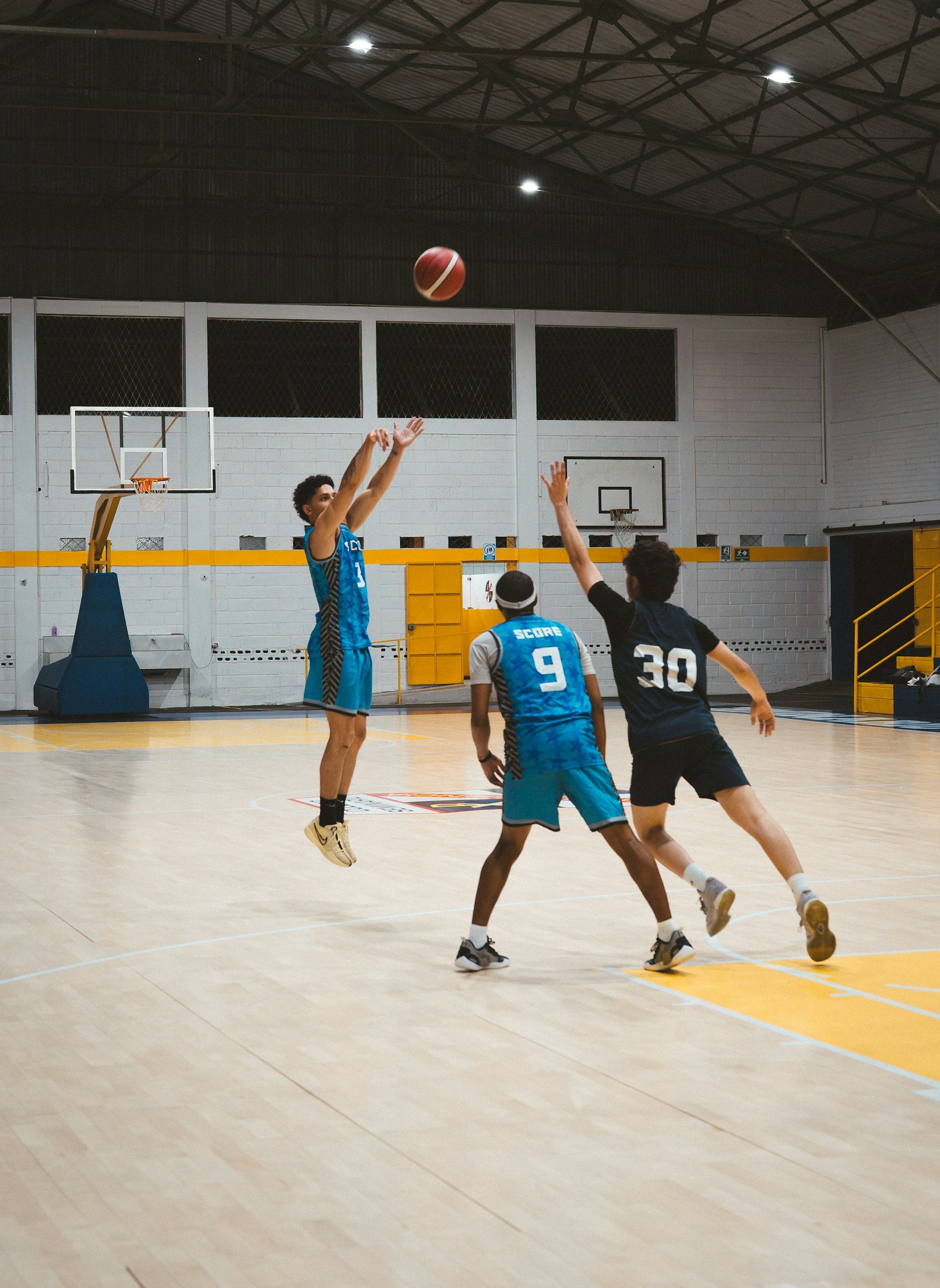
Why Your Kid Can’t Shoot (Yet)
Inevitably, I get the text or the call.
On the other end is a frustrated athlete after a game, training or practice full of miss after miss.
“Coach, my shot isn’t falling.”
And in my head, I’m thinking:
What!?
Not because I’m shocked they’re missing.
Because I’m shocked they think they can already shoot. Actually in my head I’m thinking, “of course you are missing shots, YOU CAN’T SHOOT!”
Now that I’ve said the quiet part out loud, here’s the real reason your kid is missing shots:
Becoming a good shooter is a long process.
That process is filled with misses. Lots of them.
This process is natural to me because I too was once a bad shooter (made one 3 pt shot my entire senior year!) But after adopting a particular mindset, work habits and attention to detail, I was able to flip the script and become one of the best shooters of all time and the University of Tulsa (top 10 in 3s made, 1st in 3s in 1 game (8)) and also as a pro.
If you want to help your athlete become a real shooter, you must adopt a shooter's mindset.
Shooter’s Principle 1: Shooting Is a Lifestyle
“Shooters shoot” is not a slogan. It’s a schedule.
To become a good shooter, volume and consistency matter:
Middle school: 100–150 shots, 2–3 days per week
Sub-varsity HS: 200–250 shots, 3+ days per week
Varsity: 300+ shots, 4–5 days per week minimum
Most frustrated athletes aren’t close to this baseline. So the misses feel confusing when they’re actually predictable.
Committing to the lifestyle means showing up to shoot regardless of results. Over time, this raises your athlete’s baseline.
This also means sticking to the schedule whether the shots are falling or not.
Don’t place weighty expectations on the number of makes an athlete attains; rather focus on mechanics and repetition.
In other words, parents have to chill out on the pressure, you aren’t wasting time just because they are missing. Think pain before progress.
Shooter’s Principle 2: Shooting Is a Learning Process
Every miss is information.
The brain (nature’s greatest AI tool) is constantly calibrating. But that only happens if the form stays consistent and the athlete stays emotionally steady.
When athletes drop their hands, rush the next rep, or change mechanics after a miss, they interrupt the learning loop.
Start simple:
Master stationary shooting
Don’t add movement until the athlete shoots 60%+ from spots inside the arc
Then add tougher stationary reps (jab steps, pass fakes, controlled dribbles)
Only after 50%+ here should they progress to shots off movement, contests, and contact
Just like any learning process, progress should be systematic. You wouldn’t give a 1st grader algebra just because they are counting to 100. Similarly, don’t jump to complicated shooting drills just because they hit a few threes in a game. Keep it simple, and they will build a strong structure for long-term success.
Think simple. Slow. Systematic.
Shooter’s Principle 3: Shooting Is a Lead Factor
Practice percentages predict game percentages.
A common rule: expect about a 20% drop from practice to games due to defense, fatigue, and pressure.
50% in practice ≈ 30% in games
60% from three in practice ≈ 40% in games
That’s good news.
It proves the work works — if you work it.
But this requires tracking. Improvement might be 2–5% over weeks. That seems small, but brick by brick (literally), it adds up to real results.
Committ to the shooting as a lifestyle (always shoot), learning process (embrace misses) and lead factor (pay attention to percentages) and your athlete will finally be on the road to becoming an above average shooter.
And the next time you see an athlete upset after a miss, don’t say “keep shooting.”
Remind them:
“You can’t shoot… yet.”
About the Parent Athlete Advocate
Jason Parker is a former Division I All-American (Tulsa), high school all-time leading scorer, and former school district Athletic Director. Juwan Parker is a former Division I All-Conference performer (Georgia), State Player of the Year, and former NBA as well as high school coach.
Together, they founded Parent Athlete Advocate with a simple but powerful mission: to help parents successfully navigate the high school athletic journey through intentional planning, mentorship, and consultation—so athletes are prepared for opportunity, not overwhelmed by it.
Also From Parent Athlete Advocate:
Building Aggressive Basketball Athletes Ebook: https://paastore.samcart.com/products/building-aggressive-basketball-athletes
